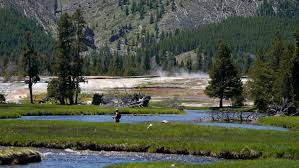
President Donald Trump and his administration recently decided to remove several hunting restrictions in national parks, wildlife refuges, and wilderness areas across the United States. According to the article from Associated Press, Interior Secretary Doug Burgum ordered federal agencies to get rid of what he called unnecessary barriers to hunting and fishing. This change would allow hunters to do things that were previously restricted, such as using tree stands that can damage trees, training hunting dogs, and hunting closer to trails. Supporters of the decision believe it will help protect hunting traditions and support rural economies.
One reason the administration gave for the changes is that hunting has become less popular over the years. The article explains that only about 4.2% of Americans over the age of 16 identified as hunters in 2024. Because fewer people are hunting, state wildlife agencies are losing money from hunting licenses and taxes on hunting equipment. Trump’s administration believes opening more public lands to hunting and fishing could encourage more people to participate in outdoor activities. Supporters also argue that hunters and anglers have helped with wildlife conservation for many years through funding and conservation programs.
However, many critics are worried about the possible effects of these new policies. Some former National Park Service officials and conservation groups believe the changes could make parks less safe for visitors and harm wildlife habitats. For example, critics are concerned about hunters being allowed to clean animals in public bathrooms or drag dead animals through visitor areas. Others feel that national parks should focus more on protecting nature and providing safe spaces for families and tourists rather than expanding hunting opportunities. Conservation groups also said the administration made these decisions too quickly without enough public discussion.
Overall, the debate over hunting restrictions shows how divided people are on the issue of public land use. Supporters believe the changes will protect hunting traditions, help conservation funding, and give Americans more access to outdoor recreation. On the other hand, opponents worry about public safety, environmental damage, and the effect on visitors’ experiences in national parks. The controversy shows that balancing recreation, conservation, and safety on public lands can be difficult, especially when different groups have strong opinions about how these lands should be used.