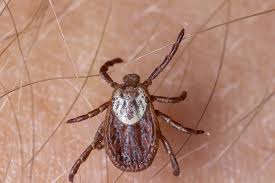
Tick season is already off to a fast start across the United States, and experts say the numbers are higher than usual for this time of year. According to health officials, emergency room visits for tick bites have reached some of the highest levels seen since 2017, signaling an early and aggressive season.
Scientists say the concern goes beyond just the number of bites. Ticks can carry diseases like Lyme disease, Rocky Mountain spotted fever, and even alpha-gal syndrome, which can cause a serious allergy to red meat. With more ticks active earlier in the year, experts worry this could lead to an increase in illnesses later on, especially as smaller ticks that are harder to detect become more active in the coming months.
Part of the reason for the spike is linked to environmental changes. Warmer temperatures, shorter winters, and growing populations of animals like deer and mice are helping ticks survive and spread more easily. In the Midwest especially, tick bite rates are already climbing faster than usual, raising concerns about how bad the season could get by summer.
Here in Michigan, the situation is also becoming more serious. Health officials say Lyme disease cases have been rising quickly in recent years, with thousands of cases now reported annually. Experts warn that milder winters and longer warm seasons are allowing ticks to stay active longer, increasing the chances of people being exposed while spending time outdoors.
As tick season continues, officials are urging people to take precautions, especially when outside in wooded or grassy areas. That includes wearing protective clothing, using bug spray, and checking for ticks after being outdoors. Experts say early awareness is key, because the faster ticks are removed and symptoms are noticed, the lower the risk of serious illness later on.